 Low MOQ OEM/ODM
 Free Digital Proof
 Phone:

BUYER GUIDE · PET ACCESSORY SOURCING
A clear specification makes supplier quotations easier to compare. For pet brands, retailers and distributors evaluating car tethers, start with the webbing, adjustment system, connectors and evidence behind the proposed use.
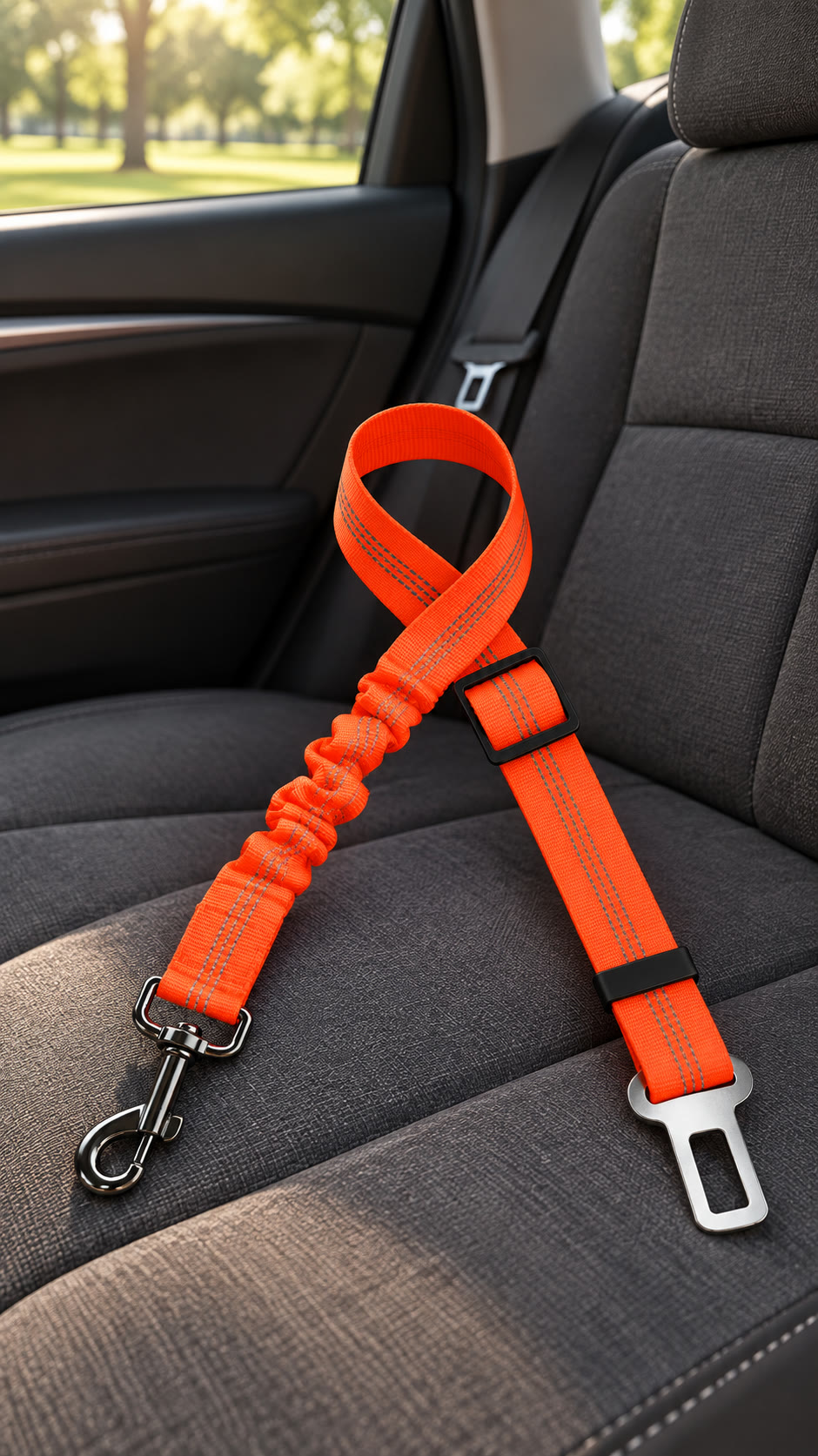
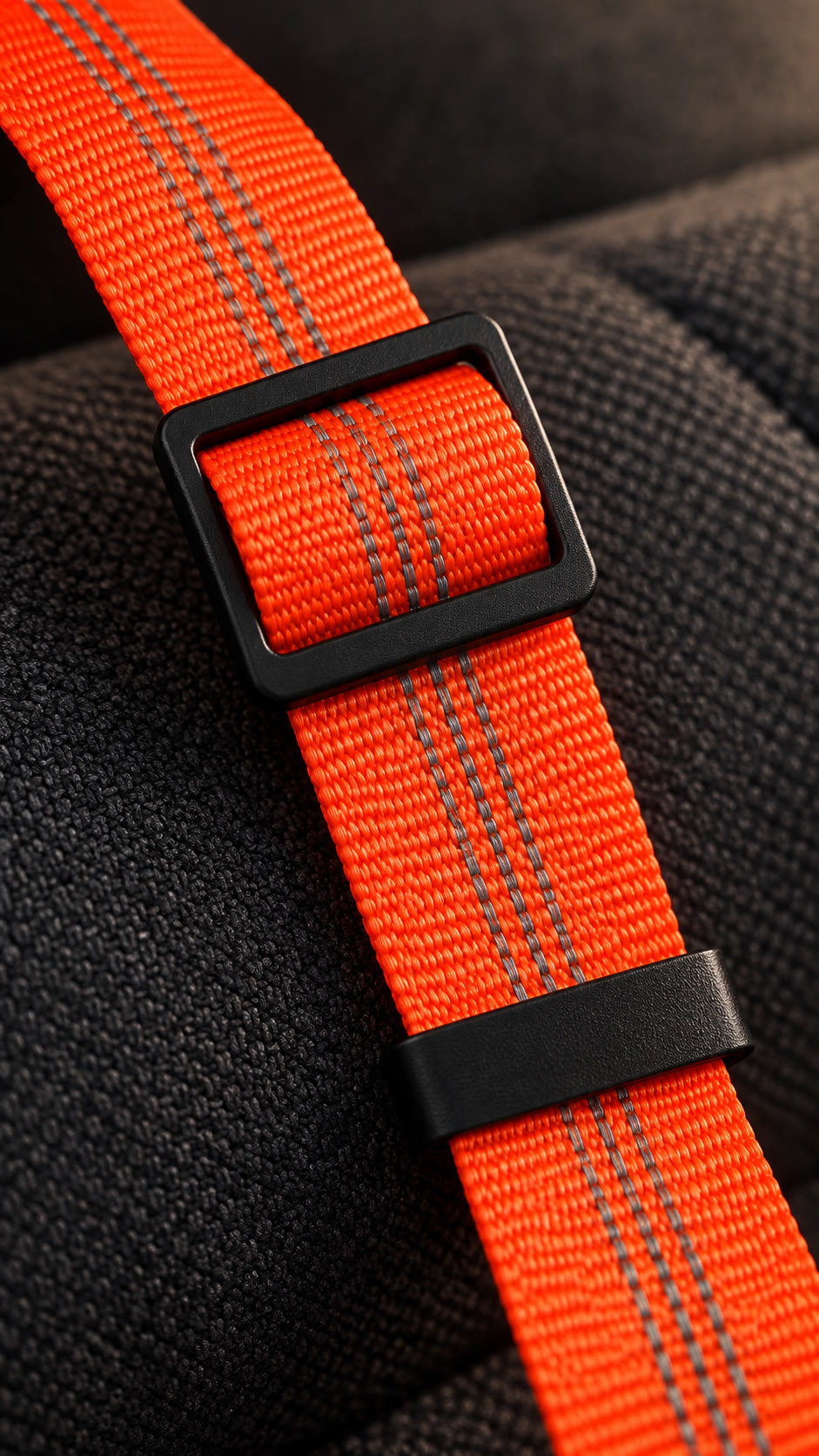
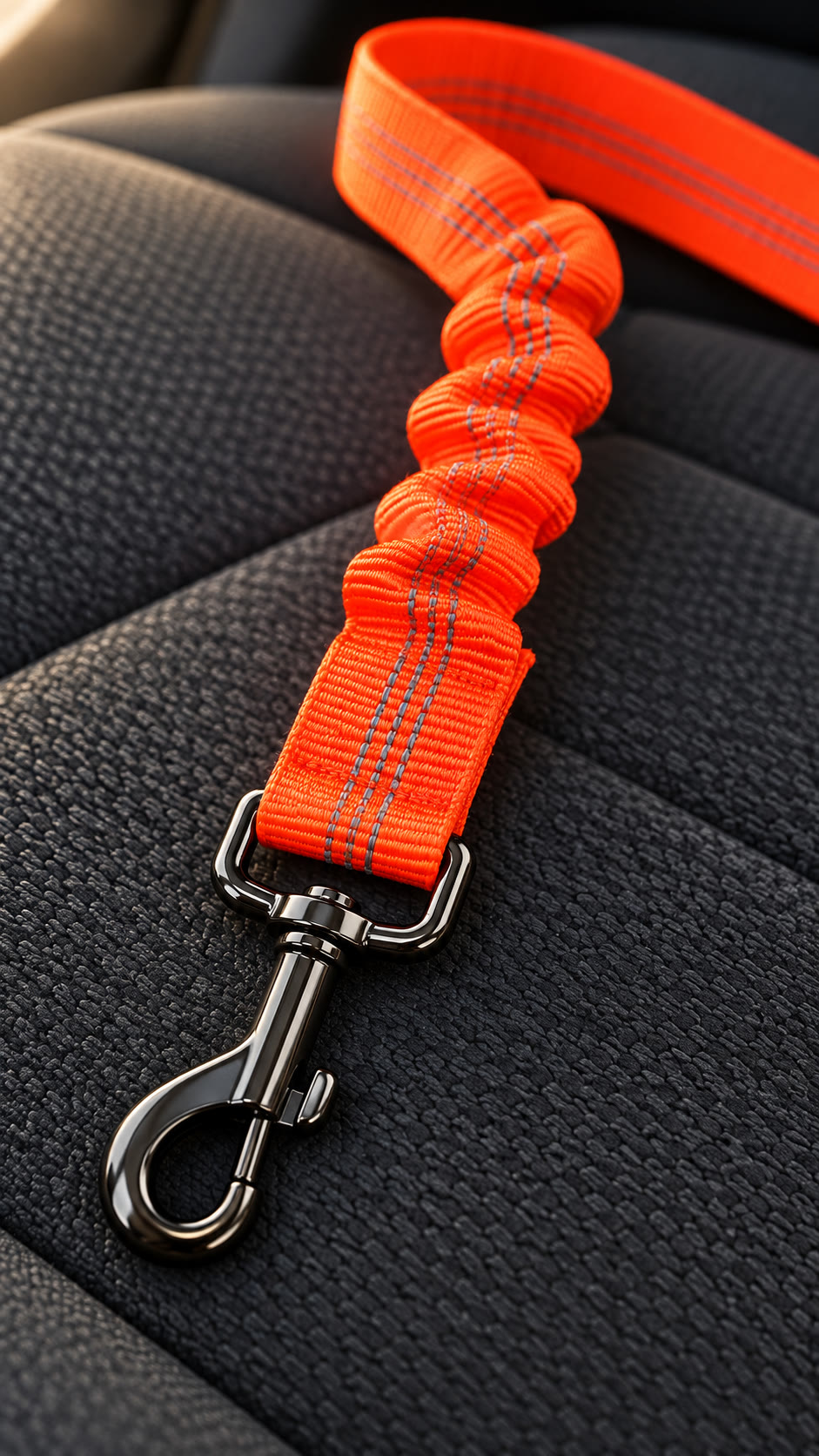
The orange product shown here provides a practical example: it has a woven strap, a rectangular adjustment slider, a strap keeper, a gathered section, a swivel snap hook and a seat-belt-style tongue. Those visible features help explain the design. They do not establish the fiber composition, dimensions, load capacity, vehicle compatibility or crash performance.
This guide explains how to turn a product reference into a purchasing brief, which details to confirm on samples, and what to include when requesting a quotation.
1. Define the intended use before choosing the specification
Before approving a vehicle-related accessory, ask the supplier to explain its intended use, limitations and supporting documentation. A photograph of a connected product cannot demonstrate crash protection, and a metal tongue that looks familiar does not prove that it fits every vehicle.
The Center for Pet Safety advises against extension tethers, citing injury risks and possible interference with a harness's crash protection. Buyers evaluating this category should consider that advice before selecting a design or making safety claims. The illustrated product is not presented here as crash-tested or certified.
Keep the proposed product description and any required evidence in the purchasing brief from the beginning. This helps the sourcing, quality and marketing teams review the same product expectations.

2. Specify the webbing and adjustment system
Ask for the actual webbing composition, width, thickness and finished length range. Record how length is measured—for example, whether a quoted dimension includes the metal connectors and whether the gathered section is relaxed. Two quotations can describe the same apparent size while using different measurement methods.
Check that the slider and keeper match the specified strap. During sample review, compare the threading arrangement, adjustment movement and stitching with the approved construction record. Agree with the supplier on any relevant tests and acceptance criteria; the appearance of the slider alone is not a performance result.
For color approval, keep a physical reference alongside the artwork. The orange shade and gray center stitching shown in these images are visual references, not a confirmed Pantone value or evidence of reflective performance.
3. Review the gathered section and metal connectors separately
For a gathered or elastic section, request its construction details, relaxed length and any measured extension and recovery data. Avoid translating the presence of this section into an unverified promise about shock absorption or protection.
For the swivel hook and metal tongue, specify the component dimensions, material, finish and attachment method. Review the hook opening, gate closure and swivel movement on the physical sample. Ask how the supplier identifies the approved component so that a similar-looking replacement is not substituted without review.
4. Build a quotation brief your supplier can use
Send one brief with the reference images and a short list of open questions. Separate the features you require from options you would like the supplier to price.
| Brief item | What to provide or confirm |
|---|---|
| Product and use | Reference design, intended application, target market and evidence requirements. |
| Strap specification | Material, width, thickness, length range and measurement method. |
| Hardware | Hook and tongue dimensions, materials, finishes and approved component references. |
| Branding | Logo file, proposed placement, color references and packaging artwork. |
| Order plan | Total quantity, quantity per color or variant, sample needs and requested delivery window. |
| Retail requirements | Packaging format, barcode information, instructions and confirmed product limitations. |
Request product-specific MOQ, sample cost and production timing. Do not assume that the commercial terms of another collar, leash or harness apply to this design.
5. Keep the approved sample and purchase order aligned
Before placing a bulk order, record the selected materials, components, dimensions, color and packaging in a dated specification. Attach clear sample photographs and identify which version has been approved. If a component or construction detail changes, document the change and review any affected performance evidence.
Artwork approval, physical sample approval and performance verification answer different questions. Keep each record identifiable so the production team can work from the correct version. Our OEM pet accessory sampling checklist provides a related framework for organizing sample reviews.
Questions buyers often ask
Can we confirm the material or dimensions from these pictures?
No. Use the pictures to communicate the design, then request a specification and physical sample. The images do not verify fiber composition, metal alloy, exact measurements or test results.
What should we send for an initial quotation?
Start with the reference product, intended use, target market, quantity, color requirements, branding and packaging preferences. Mark any unconfirmed dimensions or components clearly so they can be discussed before pricing is finalized.
Discuss your next pet accessory sourcing project
Share your product reference and purchasing brief with PetsAccessoryHub. Tell us which specifications are fixed and which options you want to compare.
Images are AI-assisted product and lifestyle visualizations based on supplied reference photographs. Confirm final construction and specifications on physical samples.