 Low MOQ OEM/ODM
 Free Digital Proof
 Phone: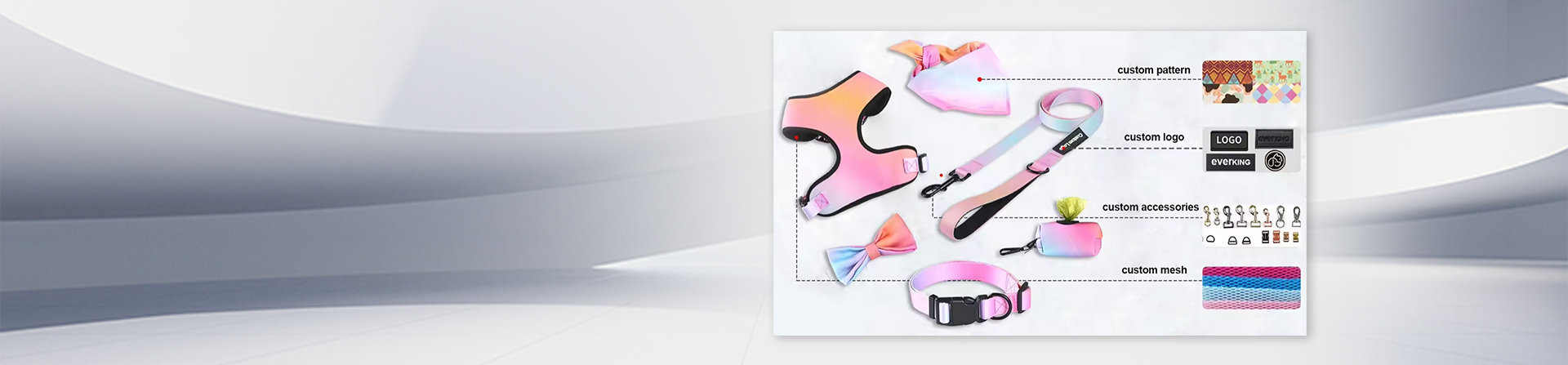
For pet brands, a leash may look like a simple product, but its performance depends on several important components.
Webbing, hooks, rings, stitching, handle structure and connection points all affect the final quality of the product.
When developing a custom leash, buyers should evaluate these details before approving the design for production.
1. Start with the Webbing
The webbing is the main body of most dog leashes.
Common options include:
Nylon webbing
Polyester webbing
RPET webbing
PVC-coated webbing
Rope
Fabric-covered webbing
Each material offers a different combination of strength, flexibility, appearance and cost.
For fashion collections, printed webbing may be a priority. For outdoor collections, durability and weather resistance may be more important.
2. Select the Correct Hook
The leash hook connects the product directly to the collar or harness, so both size and structure matter.
Common hook types include:
Standard snap hooks
Swivel hooks
Trigger hooks
Carabiner-style hooks
Lightweight alloy hooks
The right choice depends on the intended dog size, leash width and product positioning.
Oversized hardware can make a leash unnecessarily heavy, while undersized hardware may not suit larger dogs.
3. Pay Attention to Reinforcement
Strong materials alone do not guarantee a strong leash.
The connection between the webbing and hardware is also important.
Manufacturers may use reinforced stitching, box stitching, cross stitching, rivets or a combination of construction methods.
During sampling, brands should carefully check all load-bearing points.
4. Design the Handle for Real Use
The handle can significantly affect the customer experience.
Brands may choose:
Standard loop handles
Padded handles
Traffic handles
Double-handle designs
Multi-function adjustable structures
For training or city walking products, an additional short handle near the dog can provide more control.
5. Consider Additional Functional Details
A leash can include more than a hook and handle.
Useful features may include:
D-rings for accessories
Waste bag holder attachment points
Reflective stitching
Adjustable length
Hands-free configuration
Multi-dog connections
These details can help differentiate the product from basic market options.
6. Keep the Collection Consistent
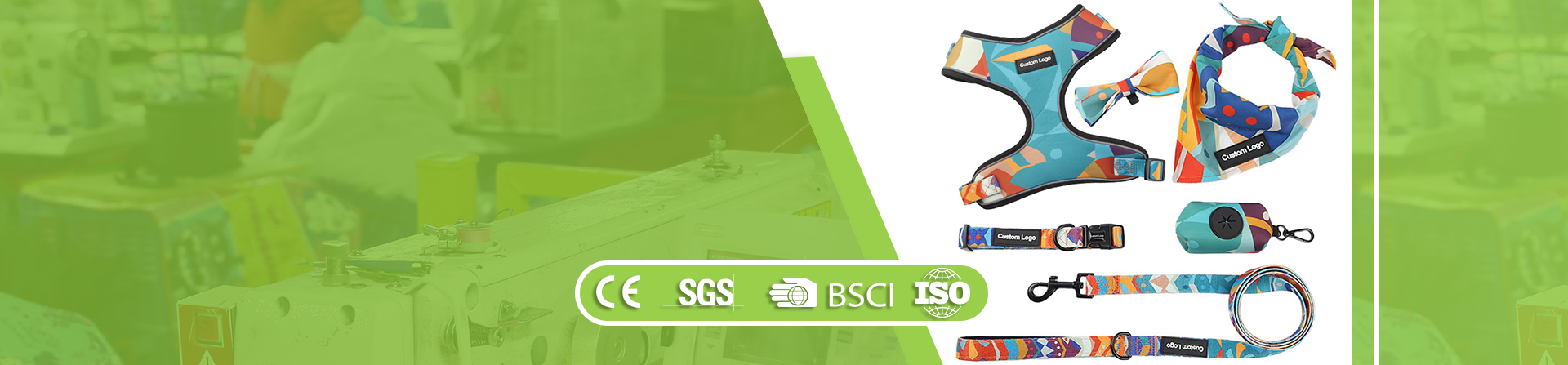
For private-label brands, leash design should coordinate with other products.
Matching collars, harnesses and accessories can use the same:
Webbing colors
Prints
Hardware finishes
Logo treatments
Packaging style
This creates a more complete brand identity and makes it easier to build product bundles.
Better Construction Creates Better Products
For B2B buyers, dog leash development should focus on both visual design and structural performance.
Material choice, hardware size, stitching and functional details all contribute to the final quality.
A professional OEM or ODM partner can help brands evaluate these components during product development and create a leash collection that matches both performance requirements and retail positioning.