 Low MOQ OEM/ODM
 Free Digital Proof
 Phone: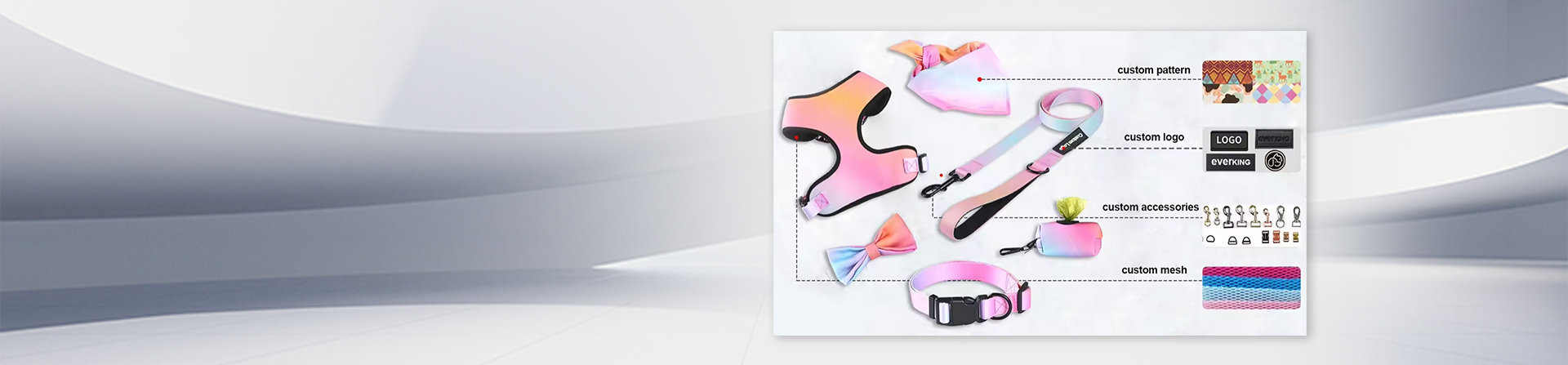
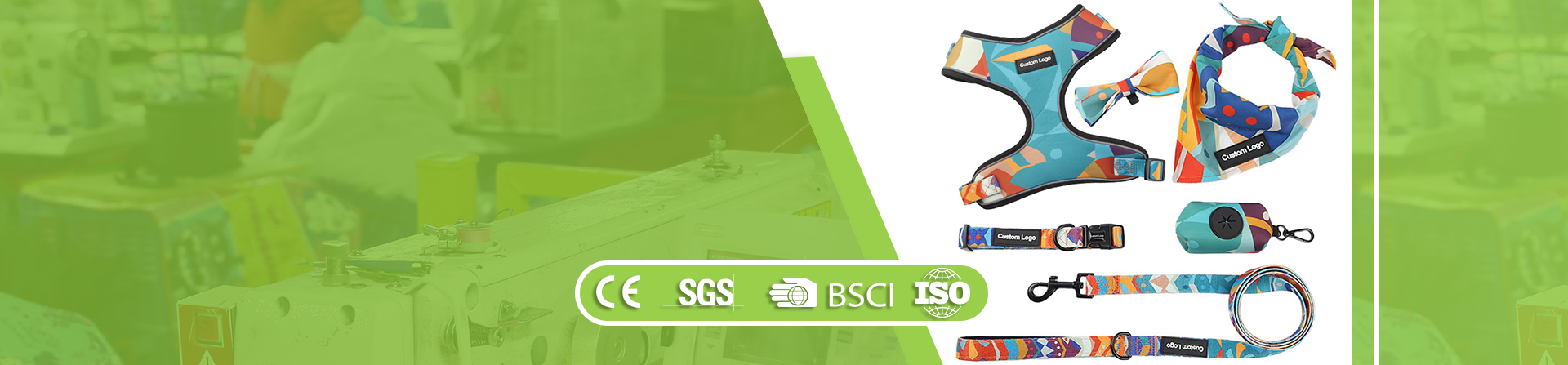
Private label pet accessories MOQ is shaped by materials, colors, hardware, logo method, size assortment and packaging—not only the finished product. Buyers can often build a practical launch quantity by simplifying the first range, sharing components and approving samples in a controlled sequence. The goal is to reduce avoidable setup changes while keeping the product specification clear.
Separate product MOQ from component MOQ
A factory may assemble a modest quantity, while custom-dyed webbing, printed fabric, molded buckles or retail boxes require larger production runs. Ask for the MOQ of each custom component and the finished SKU. A stock-color product with a woven label may have a different threshold from a fully custom print with branded hardware.
Use custom pet accessory styles, prices and MOQ factors to compare the main cost drivers, then review the full product range before fixing the assortment.
Build a launch range around shared inputs
Matching collections can use one approved webbing color, thread family, logo label and hardware finish across several items. Combine a private label collar, custom dog leash and OEM dog harness around shared components, while keeping each product's dimensions and construction separate. A printed dog bandana can extend the collection but usually needs its own fabric and print setup.
Budget for sample stages
Clarify whether the quotation covers an artwork proof, material swatch, development sample, revised sample and pre-production sample. Tooling, custom printing and freight may be charged separately. The first sample validates feasibility; the approved pre-production sample should freeze materials, measurements, construction, colors, hardware, logo and packaging for the bulk order.
Use the OEM sampling approval checklist to record decisions and corrections. A written approval reduces the risk of contradictory messages after production starts.
Define packaging before final pricing
Packaging can include a hangtag, belly band, individual bag, insert, barcode label, retail card or box. Each format affects artwork, setup, packing labor, carton size and shipping weight. Confirm whether the quoted MOQ applies per packaging design or across the total order. Review the guide to labels, barcodes, care information and retail packaging before releasing files.
Calculate lead time in approval gates
A useful timeline separates artwork review, material sourcing, sample production, sample shipping, revision, pre-production approval, bulk production, inspection, packaging and transport. Lead time begins only when the required deposit, approved files and specifications are available. Custom material or packaging development can sit on the critical path, so confirm it before promoting a delivery date.
- Artwork and specification confirmation
- Material or color approval
- Development and revised samples
- Pre-production sample sign-off
- Bulk production and in-process checks
- Final inspection, packing and shipment
Compare quotations on the same brief
Give each supplier the same product, material, size range, quantity by SKU, colors, logo, hardware, tests, packaging, destination and deadline. Ask which assumptions are included and which items are provisional. A low unit price is not comparable if tooling, samples, packaging or inspection are omitted.
Prepare a reorder-friendly specification
Assign SKU names, retain approved artwork and record material references, measurements and tolerances. Photograph the packing method and carton marks. For reorders, confirm which inputs remain in stock, whether material lots must be reapproved and whether the original packaging setup is still available.
Get a sample and bulk pricing plan
Send the product combination, expected quantity, size and color split, logo files, packaging, destination and target date. Request a private label pet accessory sample and bulk quote; the collar is preselected and can be changed or combined with other products.