 Low MOQ OEM/ODM
 Free Digital Proof
 Phone: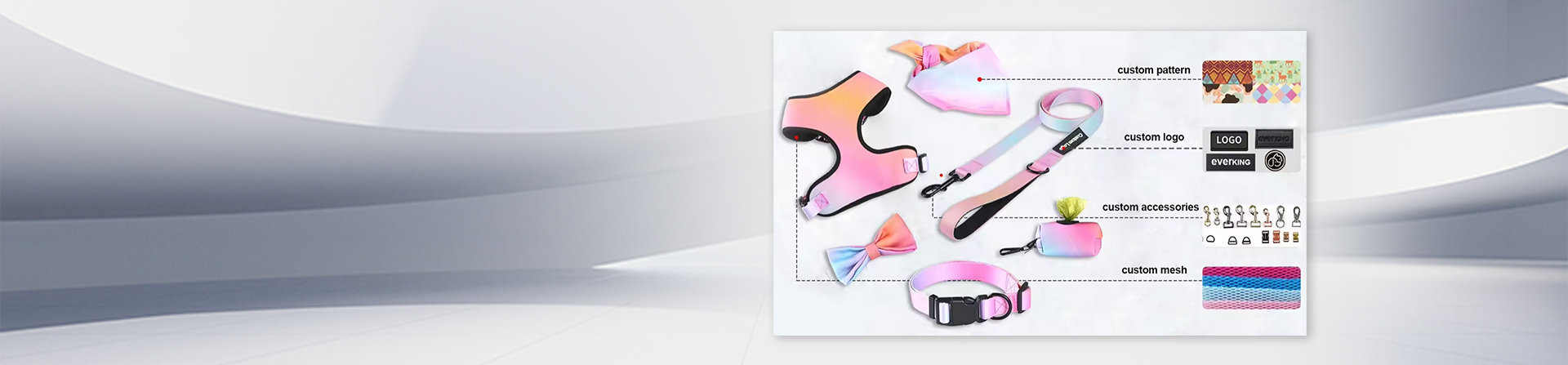

Hardware is a small part of a collar, leash, or harness, but it carries a large share of the product risk. A buckle that opens too easily, a D-ring with a rough edge, or a leash hook that feels weak can turn an attractive private label product into a return. For buyers sourcing custom pet accessory hardware, the right decision is not simply metal versus plastic. It is a match between product use, pet size, material, finish, target price, and brand position.
Why hardware specifications matter
Customers touch hardware every time they use a pet product. That makes weight, movement, sound, finish, and ease of operation part of the perceived quality. Hardware also determines how loads travel through webbing and stitching. A premium-looking clip cannot compensate for an undersized D-ring, and a strong metal buckle may be unnecessary on a lightweight fashion collar.
Before asking for a quote, define the intended product and user. A daily walking set for medium dogs has different requirements from a decorative bow tie, cat harness, puppy collar, or event giveaway. Clear use information helps a supplier recommend a component with the right dimensions and cost.
Common pet accessory hardware components
| Component | Main function | Details to specify |
|---|---|---|
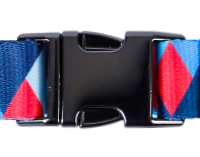
| Side-release buckle | Opens and closes collars or harness straps | Plastic or metal, width, curve, operating force, color |
| D-ring or triangular ring | Connects a leash, tag, or accessory | Inner width, wire thickness, welded or formed construction, finish |
| Leash hook | Connects the leash to a collar or harness | Bolt snap, trigger snap, carabiner, swivel, gate opening, weight |
| Slider or adjuster | Changes strap length and holds the setting | Webbing width, friction, edge finish, plastic or metal |
| Connecting ring | Joins straps or creates attachment points | Shape, diameter, finish, compatibility with the pattern |
The attachments and hardware options page can help buyers compare component styles before building a complete specification.
Plastic, zinc alloy, stainless steel, or aluminum?
Plastic hardware
Plastic buckles and adjusters are lightweight, quiet, cost-efficient, and available in many colors. They are common for everyday collars, small-dog products, cat harnesses, and promotional programs. The resin, wall thickness, mold quality, and operating force all influence performance. Ask whether a custom color changes the minimum order quantity.
Zinc alloy hardware
Zinc alloy supports detailed shapes and a wide range of plated finishes. It can create a substantial, premium feel for buckles, hooks, and branded plates. Because plating appearance and corrosion resistance vary, the finish standard should be approved on a physical sample.
Stainless steel hardware
Stainless steel is useful where corrosion resistance and strength are priorities. It may suit outdoor, coastal, or water-oriented collections, but it normally carries a higher cost and a more technical appearance. Confirm the grade, surface treatment, and finished weight rather than relying only on the phrase "stainless steel."
Aluminum hardware
Aluminum can provide a strong-to-weight advantage and a modern look. Anodized colors can support a distinctive collection, although color consistency and scratching should be reviewed during sampling.
Finish and color decisions
Black, silver, gunmetal, rose gold, antique brass, and custom-painted finishes can change the character of the same product. A coordinated set should use a documented finish standard across the buckle, D-ring, hook, adjuster, eyelets, and logo plate. Similar names from different component suppliers do not always produce the same tone.
When exact matching matters, send a physical reference, Pantone target, or approved master sample. Review the hardware under neutral light and next to the final webbing or fabric. A finish that looks correct on a screen may appear warmer, cooler, or glossier beside the chosen material.
Questions to include in a hardware test plan
- Does the buckle close positively and resist accidental release?
- Does the adjuster hold the strap without slipping during repeated movement?
- Does the leash hook rotate freely and close fully after repeated cycles?
- Are edges, welds, and corners smooth where they contact webbing or the pet?
- Does the finish resist reasonable rubbing, moisture, and handling?
- Is the component appropriately sized for the intended pet size and product load?
- Does the assembled product remain comfortable at the target weight?
A responsible specification should be based on the complete assembled product. Test methods, acceptance levels, and intended use should be agreed with the supplier before bulk production.
Match hardware to the product line
For a matching collar, leash, harness, and poop bag holder collection, first choose a hardware family and then adapt the scale. A large leash hook may work well on the leash but feel oversized on the smallest collar. The goal is visual consistency without forcing every SKU to use an identical component.
Review available sizes and indicative pricing on the styles and prices page, then identify which items must share colors and finishes. This makes the quote more accurate and helps prevent late substitutions.
Quote checklist for custom pet accessory hardware
- Product type and intended pet size range
- Webbing or strap width and thickness
- Preferred component type, material, size, and finish
- Target order quantity by style, color, and size
- Logo method and logo placement
- Reference photos, drawings, or existing samples
- Packaging requirements and barcode needs
- Required test standard or buyer-specific inspection points
- Target delivery date and destination country
Build a quote around the complete product
Hardware works best when it is selected together with the webbing, stitching, size grading, logo, and packaging. Pets Accessory Hub can help organize these decisions into one quote-ready brief for collars, leashes, harnesses, and matching accessories. Start a custom quote with your target product, quantity, logo, market, and preferred hardware, and the team can follow up on compatible options.