 Low MOQ OEM/ODM
 Free Digital Proof
 Phone: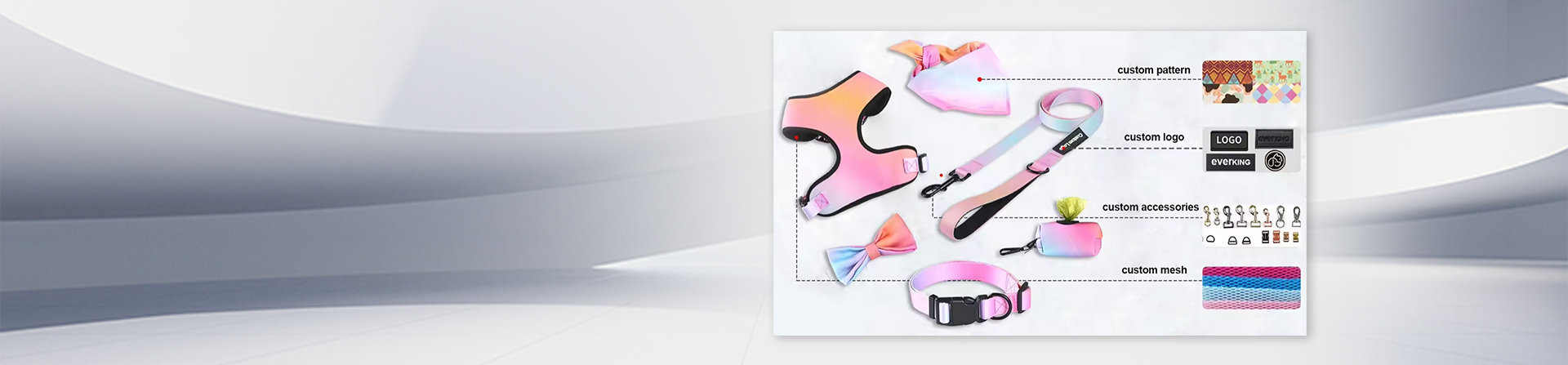
Running a pet store is about more than selling products, it’s about caring for pets and earning the trust of their owners. That’s why choosing the right supplier really matters. The right partner can make your life easier, protect your reputation, and help your business grow. The wrong one? Endless headaches.
Here’s a friendly, real-world guide to help you find a supplier you can actually rely on.
Start With Product Quality
If you wouldn’t use a product on your own pet, don’t sell it in your store. Quality should always come first.
Before placing a big order, ask yourself:
- Does it feel sturdy and well-made?
- Are the materials safe and comfortable for pets?
- Would you feel confident recommending it to a customer?
Whenever possible, request samples and test them yourself. This small step can save you a lot of trouble later.
Make Sure They’re Reliable
A great product doesn’t help if it arrives late — or not at all.
A good supplier should:
- Deliver on time
- Keep products consistent from order to order
- Be honest about stock levels and lead times
Reliable suppliers help you plan ahead and avoid awkward “sorry, we’re out of stock” conversations with customers.
Don’t Chase the Cheapest Price
Everyone wants good pricing, but the cheapest option isn’t always the best deal.
Look at the full picture:
- Product quality vs. price
- Shipping and handling costs
- Minimum order quantities
- Payment terms
Paying a little more often means fewer returns, happier customers, and better long-term profits.
Look for Branding & Customization Options
Want your store to stand out? Custom products can help.
Some suppliers offer:
- Custom colors or sizes
- Logo printing or private labels
- Branded packaging
If you’re building your own brand, these options can make a big difference — especially if the supplier is flexible with order quantities.
Communication Matters More Than You Think
Clear, friendly communication is a huge green flag.
Pay attention to:
- How fast they respond
- How clearly they answer questions
- Whether they explain things or just give short replies
If communication feels frustrating before you order, it usually gets worse afterward.
Experience Helps (A Lot)
Suppliers who know the pet industry understand what actually sells and what doesn’t.
Experienced suppliers can:
- Suggest popular or trending products
- Help with sizing or material choices
- Warn you about common mistakes
That kind of advice is especially valuable if you’re new to running a pet store.
Think Long-Term
You’re not just placing one order — you’re starting a relationship.
Ask yourself:
- Can this supplier grow with my business?
- Do they offer a wide product range?
- Would I feel comfortable working with them long-term?
The best suppliers feel like partners, not just vendors.
Final Thoughts
Choosing the right supplier takes time, but it’s worth it. Trust your instincts, ask lots of questions, and don’t rush the decision. A good supplier supports your business behind the scenes, so you can focus on what really matters: happy pets and happy customers!